

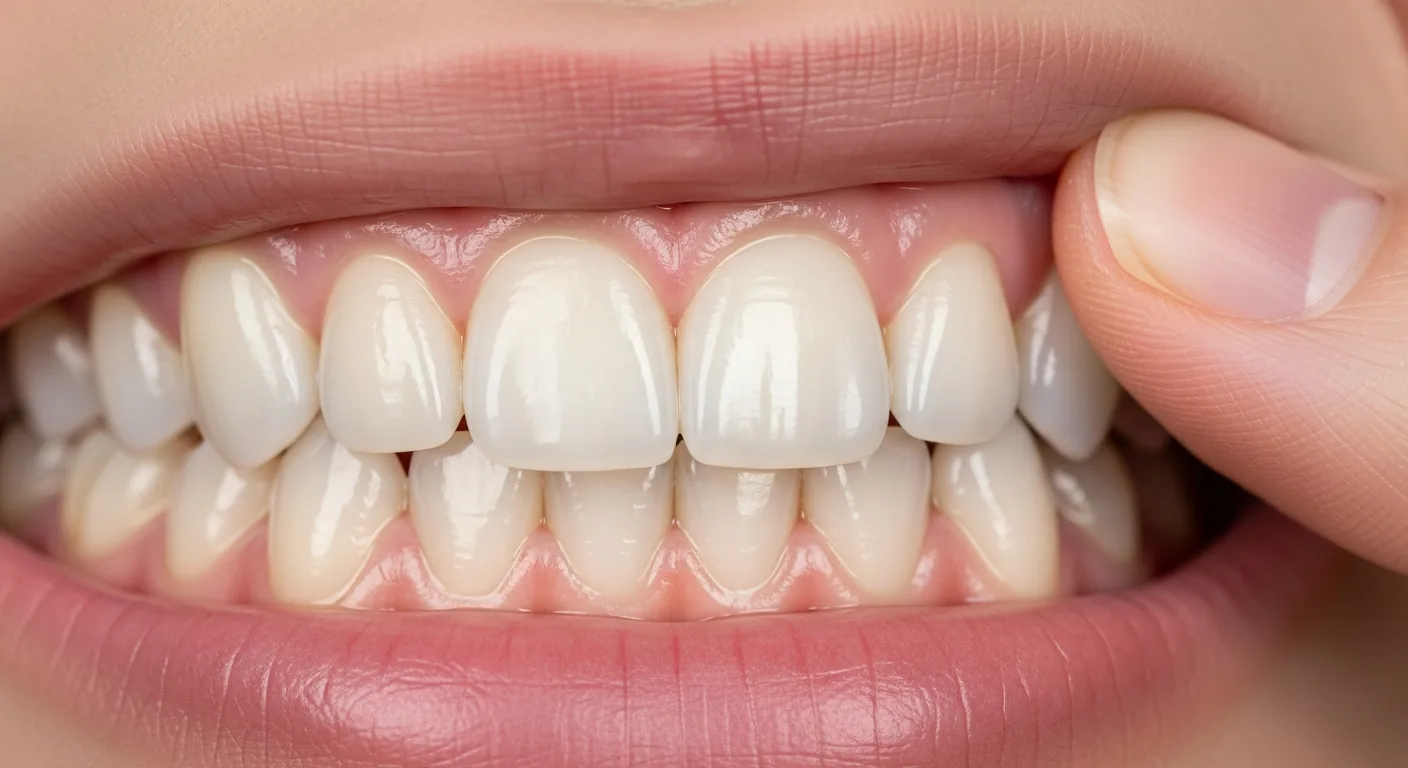
Initial Therapy
Periodontal pockets and root surfaces are thoroughly cleaned and smoothed under local anaesthetic - often entirely without cutting the gums.
Periodontitis - often imprecisely referred to colloquially as periodontal disease - is an inflammatory disease of the periodontium. It can occur at any age, on one or several teeth at the same time, progress at different rates and vary in severity.
The cause is bacteria that accumulate between the tooth and gum. If this bacterial plaque is not thoroughly removed, hard, rough tartar forms. If factors such as stress, smoking or other conditions are added, an inflammatory reaction can develop: the gums become red, swollen and prone to bleeding. Left untreated, periodontitis can lead to massive bone loss and tooth loss.
Depending on the severity of the disease, we use different treatment steps.
Periodontal pockets and root surfaces are thoroughly cleaned and smoothed under local anaesthetic - often entirely without cutting the gums.
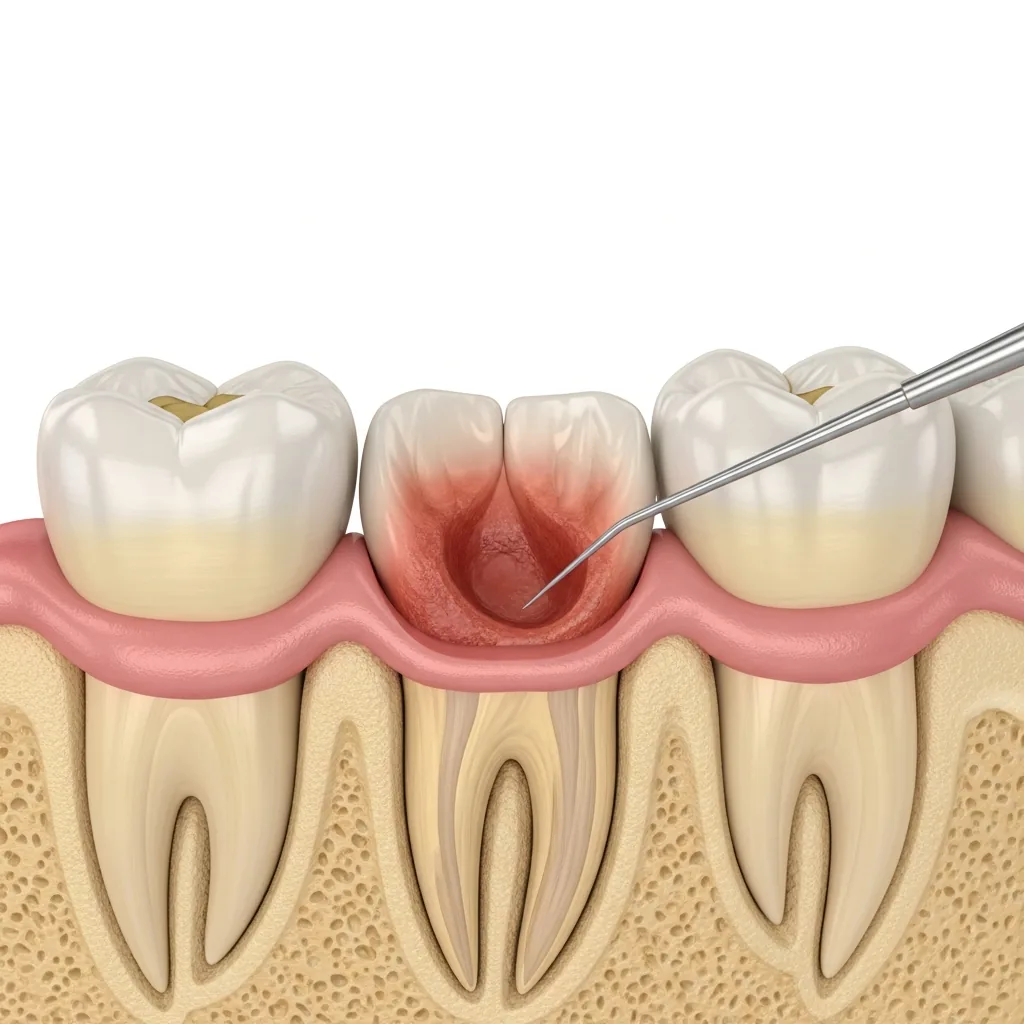
In cases of advanced bone loss, we use enamel matrix proteins to support the natural rebuilding of the periodontium.
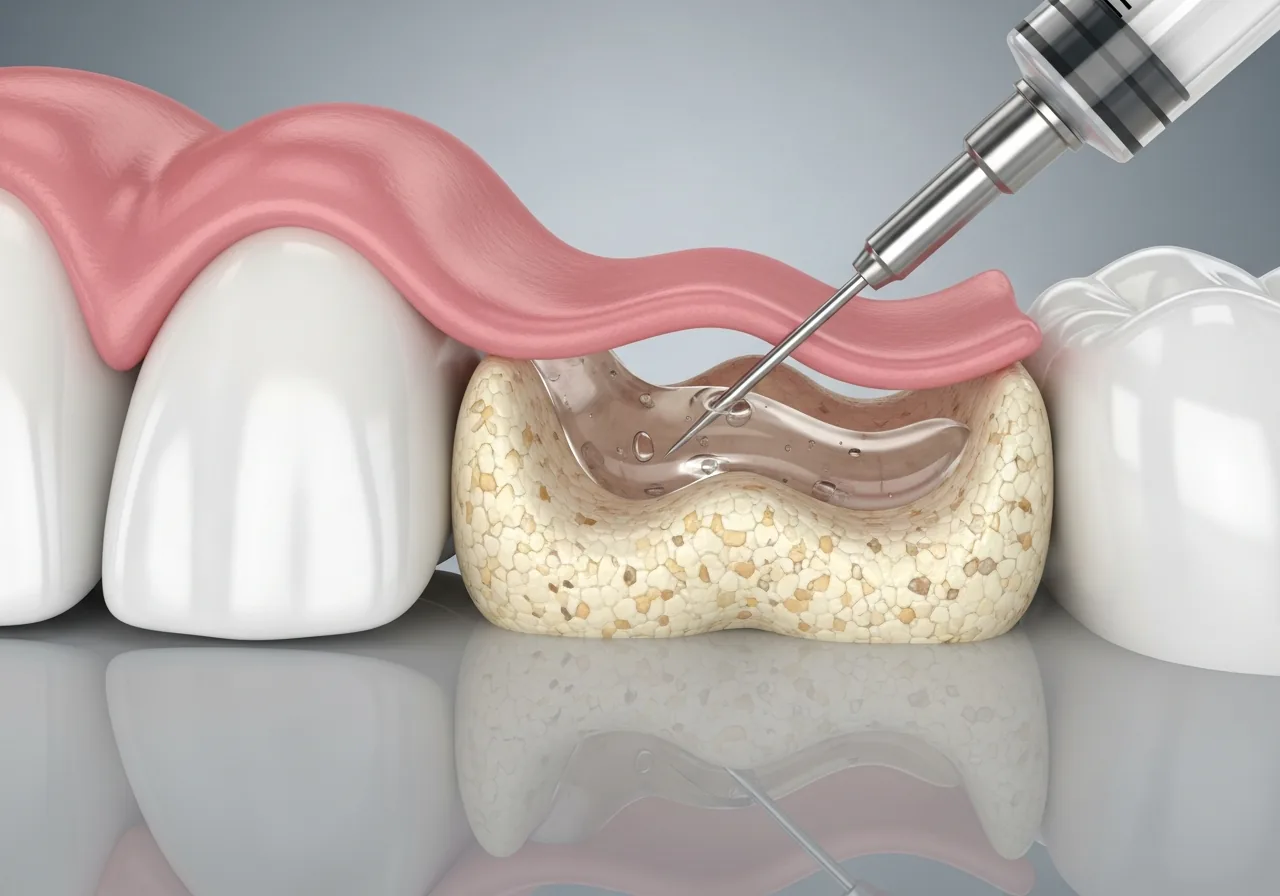
Larger bone defects can be specifically rebuilt with the patient's own bone or artificial bone substitute material.