
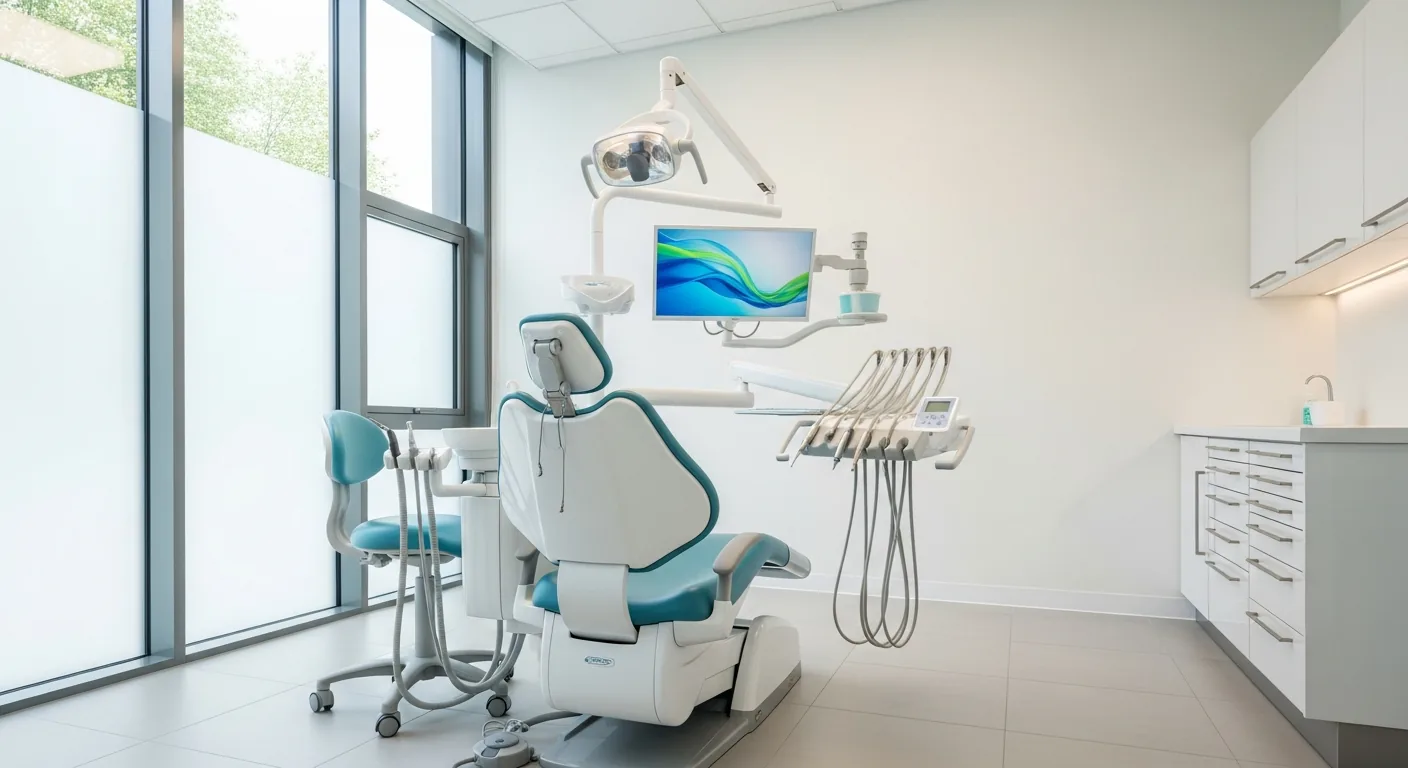
Modern treatment chair in the surgical room

Preprosthetic Surgery: the Basis for Your Dentures

With preprosthetic surgery, we improve or first make possible a good fit and integration of a denture or dental prosthesis. After tooth loss, the jawbone in the area of the missing teeth begins to resorb (atrophy) after only a short time - making a good denture fit increasingly difficult.

Preprosthetic measures affect both the soft tissue of the oral cavity and the bone tissue of the jaw. The aim is a resilient, muscle-free bone surface as the basis for dentures or implant-supported dental prosthetics. If significant bone loss has already occurred, we first rebuild the jawbone.

Our preprosthetic surgical services

A selection of the measures we carry out for your patients.

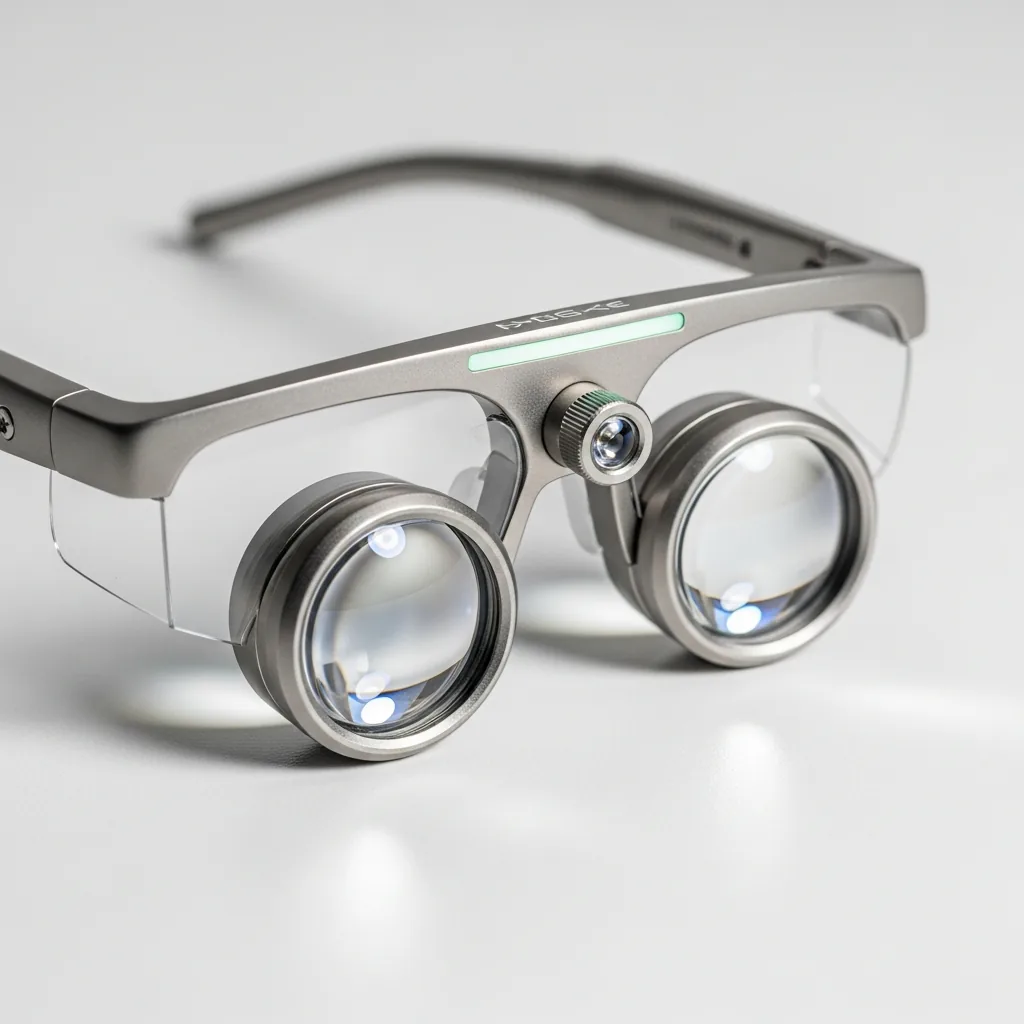
Precise surgical work using magnifying loupes

Alveolar Ridge Smoothing & Augmentation

Smoothing, raising or widening the jaw ridge for an optimal denture base.
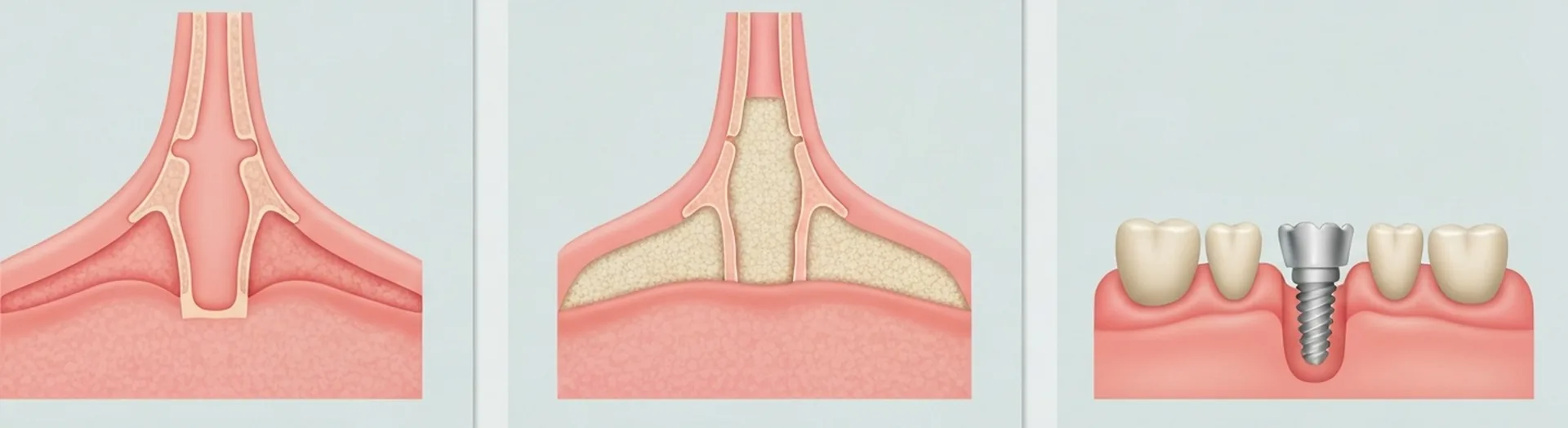
Sinus lift to raise the floor of the maxillary sinus

Sinus Lift & Exostosis Removal

Creating sufficient bone volume in the upper jaw as well as removing disruptive bone excess.
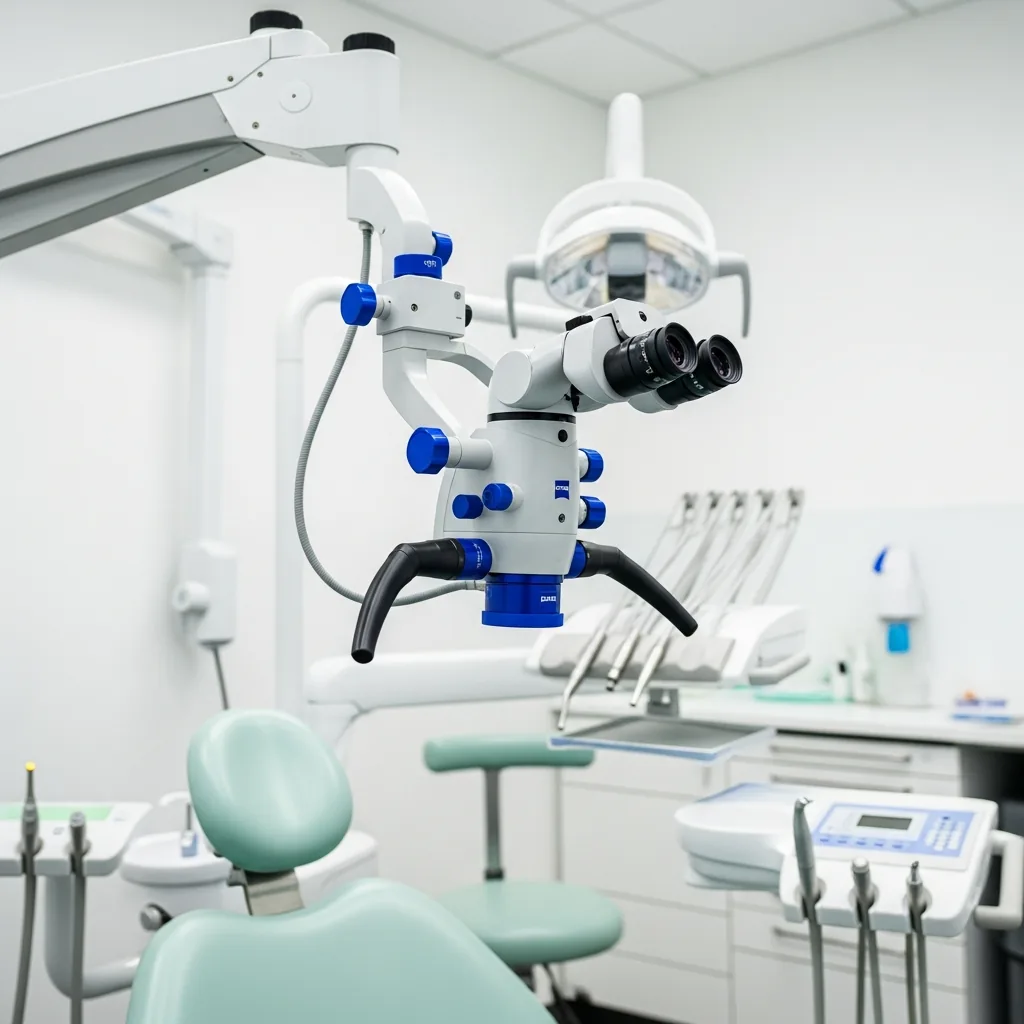
Microsurgical instruments in the practice

Soft Tissue Corrections

Repositioning of the tongue or lip frenulum as well as removal of flabby ridge or fibrous polyps.

The Most Important Facts at a Glance

  • Preprosthetic surgery creates the conditions for a good fit of dentures or dental prosthetics.
  • After tooth loss, the jawbone gradually resorbs over time (atrophy) - planning dentures earlier can help prevent this.
  • Measures include alveolar ridge smoothing, sinus lift, exostosis removal and soft tissue corrections.
  • Implant-supported dentures often additionally require a bone graft.

Frequently Asked Questions

When is preprosthetic surgery necessary?
It is used when bone edges, ridges or disruptive soft tissue prevent a good denture fit, or when additional bone needs to be built up before implant treatment.
How long does healing take after preprosthetic surgical procedures?
Depending on the extent of the measure, healing time ranges from a few days to several weeks, before the actual prosthetic or implant treatment can take place.