

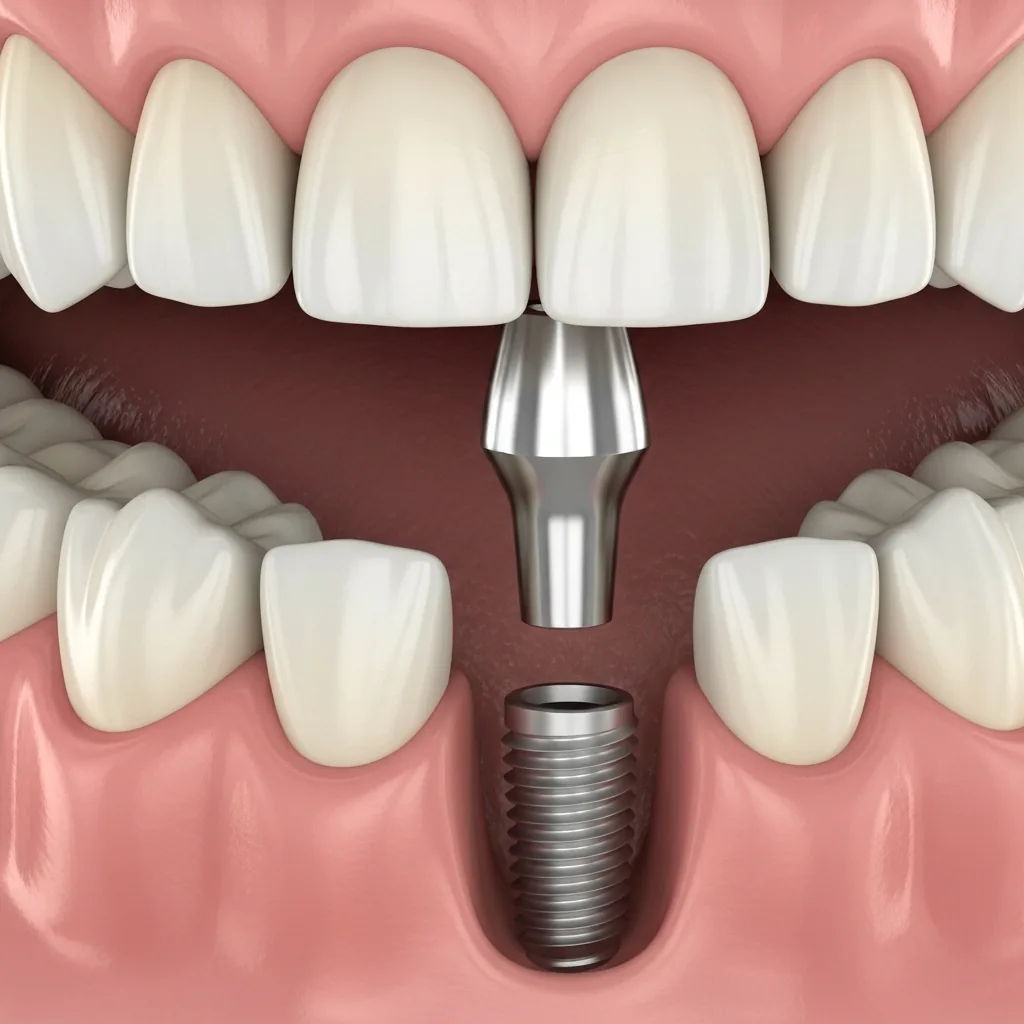
Implanting as Minimally Invasively as Possible
Current developments in dental implantology pursue a clear goal: to make implant placement as gentle as possible while ensuring reliable healing.
With reduced-diameter and reduced-length implants, we can often avoid an additional bone graft even with lower bone volume - for example in older age. The overall smaller implants protect vital structures such as nerves and find secure hold even in narrower areas of the jaw.
Das Wichtigste auf einen Blick
- Aktuelle Entwicklungen in der Implantologie zielen auf eine möglichst schonende Implantatinsertion bei sicherer Einheilung.
- Durchmesser- und längenreduzierte Implantate ermöglichen häufig auch bei geringerem Knochenangebot den Verzicht auf einen zusätzlichen Knochenaufbau.
- Die kleineren Implantate schonen vitale Strukturen wie Nerven.
- Auch in schmaleren Kieferbereichen finden die reduzierten Implantate einen sicheren Halt.
Older people often have thin jawbone. For conventional implant therapy, bone often has to be rebuilt in these patients, as the jaw has resorbed too much. With the new reduced-diameter yet still stable implants, we can offer our patients fixed dentures even with limited bone volume. With the new reduced-diameter implants, we can often avoid bone-building measures. The overall smaller implants protect vital structures and find secure hold even in narrower areas of the jaw.
Bone loss after prolonged toothlessness sets anatomical limits. The use of classic implant lengths is limited in the lower jaw by the mandibular nerve and in the upper jaw by the maxillary sinus. In cases of pronounced bone deficiency, we previously had to build up new bone volume in a further surgical procedure followed by a healing period of several weeks, in order to create a promising implant bed. Now we can offer an implant solution even without this bone graft, using shorter, specially shaped implants. The roots of neighbouring teeth, the mandibular nerve and anatomical structures are protected, as placing the shorter implants requires drilling less deeply into the bone.